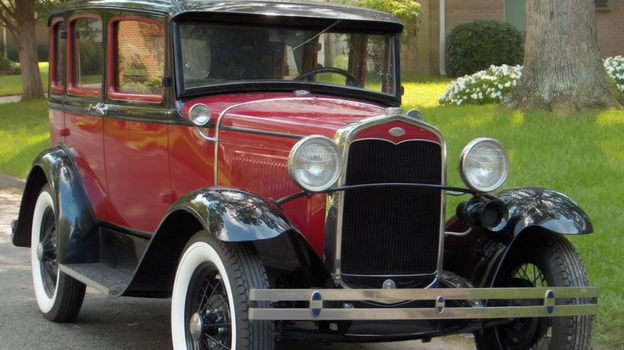
For a lot of enthusiasts, the dream of owning a collector car feels just out of reach. Not because the cars aren’t available—but because of the stories people tell themselves about how “impossible” it is to finance one. Somewhere along the way, a handful of myths about collector car financing have become accepted as truth, and they quietly keep drivers stuck in ordinary daily drivers instead of behind the wheel of the car they really want.
Let’s break down seven of the biggest myths about financing collector cars—and what’s actually true.
Myth #1: “You Have to Pay Cash If You’re Being Responsible”
One of the most persistent myths is that the “responsible” way to buy a collector car is to pay cash, and if you can’t, you shouldn’t buy one at all. In reality, the decision isn’t that simple.
Paying cash can make sense if:
- You have plenty of liquidity left over
- You’re not sacrificing retirement savings or emergency funds
- You’re not passing up higher-return opportunities just to own the car outright
But for many enthusiasts, tying up a large chunk of cash in one vehicle is actually the riskier move. Financing—done thoughtfully and within a realistic budget—can allow you to:
- Preserve cash for investments or business
- Maintain an emergency cushion
- Enjoy the car today while paying for it over time
Responsible doesn’t automatically mean “cash only.” It means balancing your passion with your overall financial picture.
Myth #2: “Collector Car Loans Are Only for Millionaires”
Another misconception is that financing collector cars is a game reserved for ultra-wealthy buyers. People imagine massive garages, private collections, and seven-figure incomes as prerequisites.
In reality, many collector car owners are:
- Business owners and professionals with solid, but not extreme, incomes
- Long-time enthusiasts who prioritize their passion and budget accordingly
- People who have planned for a specific car and structured their finances to make it work
You don’t need to be a millionaire—you need a stable financial foundation, a realistic view of your budget, and a clear understanding of what you’re getting into. The idea that only the ultra-rich can use financing to buy special cars is more myth than reality.
Myth #3: “Loans Are Only for Brand-New Cars”
A lot of drivers assume that lenders only want to finance late-model daily drivers, not older vehicles that are decades old. It’s true that many mainstream lenders focus on newer cars, but that doesn’t mean older vehicles are automatically off the table.
Collector cars can have:
- Strong market demand
- Documented sales history at auctions and private sales
- Carefully maintained or restored condition that supports their value
Specialty lenders and programs are built around these realities. They know how to evaluate condition, rarity, and market value rather than just age. The fact that a car is from the 1960s or 1970s doesn’t disqualify it from being financed—it just means you may need the right kind of lender.
Myth #4: “If It’s Not a Daily Driver, Financing Is a Waste”
Some people argue that you should only finance something you use every day, and that a weekend toy or show car doesn’t “justify” a payment. But that thinking ignores how people actually get value from their purchases.
A collector car can deliver value in many ways:
- Experiences with friends, family, and other enthusiasts
- Event participation, cruises, and shows
- Pride of ownership and the satisfaction of preserving history
If the car fits comfortably into your budget and brings you genuine joy, it doesn’t have to be a daily driver to be “worth” financing. The key is to be honest about how much you can afford and how important that experience is to you.
Myth #5: “Collector Cars Always Depreciate Like Normal Cars”
Many people assume that all cars do the same thing value-wise: they drop quickly, then keep sinking. While most daily drivers do follow that pattern, collector cars are different.
Depending on the vehicle, you may see:
- Stable values over many years
- Gradual appreciation for well-chosen models
- Significant increases for rare or historically important cars
No one should treat a collector car purely as an investment, but it’s also not accurate to assume it will always behave like an ordinary commuter. Understanding the market, buying smart, and maintaining the car well can all help support its long-term value.
Myth #6: “The Financing Process Is a Nightmare”
The mental image many people have is of endless paperwork, explanations, and confusion: trying to convince a loan officer that your dream car is worth the price. That can happen if you’re working with someone who doesn’t understand collector vehicles.
But when you’re working with people who know the market, the experience can be very different:
- They’re familiar with auction prices and enthusiast demand
- They understand why certain years, trims, and options matter
- They can evaluate the car in context, not as “just an old vehicle”
Is there still paperwork? Of course. But the process doesn’t have to be intimidating or adversarial.
Myth #7: “Financing a Collector Car Is Financially Irresponsible by Default”
At the heart of most myths is this underlying belief: if you finance a collector car, you must be making a bad decision. The truth is more nuanced.
Financing becomes irresponsible when:
- It pushes your budget to the breaking point
- You sacrifice essentials or future security to make it happen
- You ignore the long-term costs of ownership
But financing can be a responsible tool when:
- You set a realistic payment in line with your income
- You plan for insurance, maintenance, and storage
- You view the car as part of a balanced financial life
In other words, the issue isn’t the financing itself—it’s how you use it. Thoughtful, well-structured financing for a classic car can be a bridge between “someday” and actually turning the key on a dream you’ve had for years.
When you strip away the myths, what’s left is a more honest perspective: financing is neither magical nor dangerous by default. It’s simply one tool among many. Used wisely, it can help you move from imagining your dream car to actually driving it.