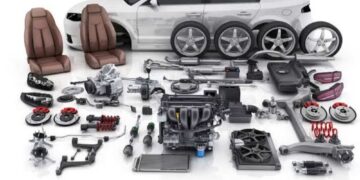
When it comes to maintaining your vehicle, the quality of the components you choose plays a crucial role in performance and longevity. This is exactly why OEM auto parts have become the preferred choice for car owners who value reliability and precision. Whether you’re replacing a worn-out component or upgrading for better performance, choosing OEM parts ensures your vehicle continues to operate exactly as the manufacturer intended.
What Are OEM Auto Parts?
OEM stands for “Original Equipment Manufacturer.” Simply put, OEM auto parts are made by the same manufacturer that produced the original components in your vehicle. These parts are identical to the ones installed when your car first rolled off the assembly line.
Unlike aftermarket parts, which are produced by third-party companies, OEM parts are designed with exact specifications. This means they offer a perfect fit, consistent performance, and a level of quality assurance that generic alternatives often struggle to match.
OEM vs Aftermarket: Understanding the Difference
One of the most common questions car owners face is whether to choose OEM or aftermarket parts. While both options have their place, the differences are significant.
OEM Auto Parts:
- Manufactured to exact factory standards
- Guaranteed compatibility with your vehicle
- Backed by manufacturer warranties
- Consistent quality and performance
Aftermarket Parts:
- Produced by third-party companies
- May vary in quality and fit
- Often more affordable
- Wider variety of options
While aftermarket parts can be appealing due to lower costs, they can sometimes lead to compatibility issues or reduced lifespan. In contrast, OEM auto parts offer peace of mind, especially for critical components like brakes, engine parts, and electrical systems.
Why OEM Auto Parts Are Worth the Investment
1. Perfect Fit and Compatibility
One of the biggest advantages of OEM parts is precision. Since they are designed specifically for your vehicle, installation is straightforward, and there’s no need for modifications. This reduces labor time and minimizes the risk of errors.
2. Reliability and Durability
OEM parts undergo rigorous testing to meet manufacturer standards. This ensures they perform reliably under various driving conditions, whether you’re commuting daily or taking long road trips.
3. Warranty Protection
Most OEM auto parts come with a warranty, providing added protection and confidence in your purchase. This is particularly important for high-value components where failure could lead to costly repairs.
4. Maintaining Vehicle Value
Using OEM parts helps maintain your vehicle’s original condition, which can positively impact resale value. Buyers often prefer cars that have been maintained with genuine components.
When Should You Choose OEM Auto Parts?
While OEM parts are generally a smart choice, there are specific situations where they become essential:
- Safety Components: Brakes, airbags, and suspension parts should always meet the highest standards.
- Newer Vehicles: For cars still under warranty, using OEM parts helps avoid potential issues.
- Complex Systems: Modern vehicles rely heavily on integrated electronics, where compatibility is crucial.
In these cases, choosing OEM auto parts is not just about performance-it’s about safety and long-term reliability.
The Role of OEM Parts in Modern Vehicles
Today’s vehicles are more advanced than ever, featuring sophisticated systems like driver-assistance technology, hybrid engines, and smart diagnostics. These innovations require components that work seamlessly together.
OEM parts are engineered with these complexities in mind. They ensure that every system-from engine performance to onboard electronics-functions in harmony. This level of integration is difficult to achieve with generic alternatives, making OEM parts a critical component of modern vehicle maintenance.
Common Myths About OEM Auto Parts
Despite their benefits, several misconceptions still surround OEM parts. Let’s clear up a few:
Myth 1: OEM Parts Are Always Too Expensive
While OEM parts may have a higher upfront cost, their durability often results in fewer replacements, saving money in the long run.
Myth 2: Aftermarket Parts Are Just as Good
Some aftermarket parts are high-quality, but consistency can vary widely. OEM parts provide a guaranteed standard.
Myth 3: OEM Parts Are Hard to Find
With the growth of online retailers and authorized dealers, accessing OEM parts has become easier than ever.
Tips for Buying OEM Auto Parts
To ensure you’re getting genuine OEM components, keep these tips in mind:
- Buy from Authorized Dealers: This reduces the risk of counterfeit parts.
- Check Part Numbers: OEM parts come with specific identifiers that match your vehicle.
- Verify Compatibility: Always confirm the part matches your vehicle’s make, model, and year.
- Ask About Warranty: Genuine OEM parts typically include warranty coverage.
Taking these steps helps ensure you’re investing in parts that deliver the performance and reliability you expect.
Final Thoughts
Choosing OEM auto parts is about more than just replacing a component-it’s about preserving the integrity of your vehicle. From ensuring a perfect fit to maintaining long-term reliability, OEM parts provide a level of quality that’s hard to match.
While aftermarket options may offer cost savings, the consistency, durability, and peace of mind that come with OEM parts make them a smart investment for most drivers. Whether you’re focused on safety, performance, or maintaining resale value, OEM auto parts deliver results you can trust.
In a world where vehicles are becoming increasingly complex, sticking with components designed specifically for your car isn’t just a preference-it’s a strategy for smarter, safer driving.