Timing belt inspection is an important part of responsible vehicle maintenance. The belt controls critical engine movement and requires careful professional attention. A worn belt can create serious engine problems without much warning. So, regular inspection helps identify developing concerns before expensive damage occurs. Professional technicians examine several components during a proper timing belt inspection. A trusted Auto Repair in Redding, CA service can provide careful inspection when concerns appear.
Checking Belt Tension and Alignment
Proper tension is essential because the timing belt must maintain precise engine synchronization. A belt that becomes too loose can move incorrectly during engine operation. Excessive tension can create unnecessary stress across the belt and related components. Therefore, professional technicians evaluate tension according to manufacturer specifications. They also examine whether the belt tracks correctly across its supporting pulleys. Locust Street Auto Repair uses professional inspection methods to identify these concerns during maintenance. Careful adjustment or replacement may become necessary when specifications are no longer met.
Examining Tensioners and Idler Components
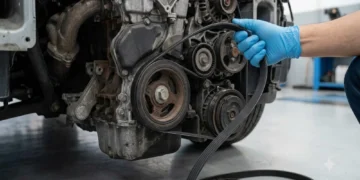
A timing belt system contains several supporting components that require professional inspection. Tensioners maintain suitable belt pressure during changing engine operating conditions. Idler pulleys help guide the belt along its required route. The technician checks these parts for excessive movement or unusual resistance. Bearings can become noisy when internal lubrication begins deteriorating over time. A damaged pulley can also create uneven belt movement during engine operation. But replacing only the belt may not solve the underlying mechanical problem. The technician may recommend replacing related components when their condition appears questionable. This preventive approach can help protect the newly installed belt from premature damage.
Looking for Leaks and Contamination
Fluid leaks around the timing system can create serious concerns for belt durability. Technicians inspect nearby engine areas for oil or coolant leakage. These fluids can reach the belt and gradually affect its material. The source of contamination should be identified before a replacement belt is installed. Otherwise, a new belt could experience similar deterioration after installation. The technician checks seals and nearby engine components for possible leakage sources. Locust Street Auto Repair can inspect related areas when belt contamination appears during routine vehicle servicing. Proper repair should address the leak before the timing system returns to normal operation.
Reviewing Service History and Replacement Needs
Professional inspection also considers the vehicle’s maintenance history and operating conditions. Timing belts have recommended replacement intervals based on vehicle design and usage. However, age and operating conditions can influence actual belt condition. Vehicles exposed to demanding environments may require closer attention during maintenance. A professional technician explains observed findings before suggesting necessary repairs. This helps vehicle owners understand whether replacement is urgent or preventative. Locust Street Auto Repair provides professional guidance for drivers who need dependable timing belt assessment. Careful inspection supports safer driving and helps protect valuable engine components.